HVAC • Cooling • Miami Homes
When it’s 95 degrees outside and your AC starts blowing lukewarm air, a comfortable Miami home can turn miserable fast. Before you panic about a total system failure, know this: an air conditioner blowing warm air usually stems from a few specific culprits. Some are quick DIY fixes; others require an expert; and in either case, we’re here to be a resource.
This guide breaks down the usual suspects, including incorrect thermostat settings, dirty air filters, tripped breakers, frozen coils, and refrigerant leaks, so you can troubleshoot the issue fast—and know exactly when to call in a professional.
Is Your Thermostat Set Correctly?
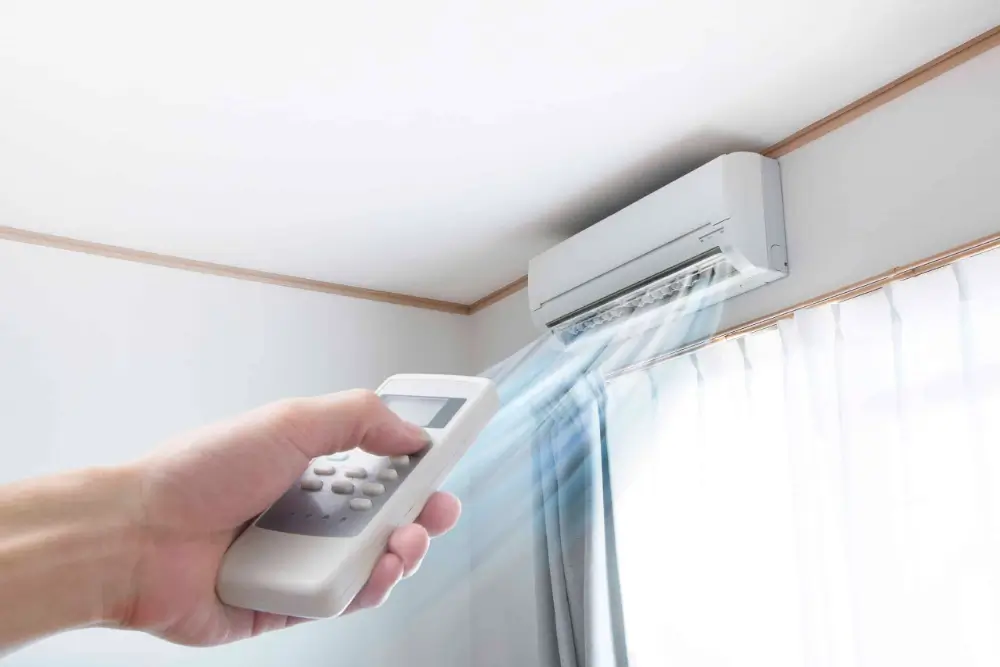
Before anything else, we recommend that you check your thermostat settings. They’re the most common reason your AC is blowing warm air.
Start with the fan setting. When the fan is set to ON instead of AUTO, the blower runs nonstop and pushes air through the vents even when the system is not actively cooling, so that air comes out at room temperature. Switch it to AUTO so the fan only runs during a cooling cycle.
Next, confirm the system is set to COOL, not HEAT, since a bumped or shared thermostat can quietly flip it. Then set the target a few degrees below the room reading and listen for the outdoor unit to start. Dead batteries can also scramble the signal, so replace them if the display looks dim.
If the thermostat stays unresponsive after all that, the control itself may be faulty, and our thermostat repair team can test it.
Key Takeaway
Set the fan to AUTO and the system to COOL. A fan left on ON is the top reason a working AC seems to blow warm air, and it costs nothing to fix.
When Did You Last Change the Air Filter?
A dirty air filter is one of the most overlooked causes of an AC blowing warm air. When the filter clogs with dust and pet hair, it starves the system of airflow, and without enough air moving across the evaporator coil, the coil cannot transfer heat the way it should. This happens faster in Miami than most homeowners expect, because our systems run ten to twelve months a year and our humidity pulls dust into the return constantly.
What’s worse? A choked filter does more than weaken cooling. It can drop the coil temperature until condensation freezes into ice and shuts cooling down entirely.
If you’re not sure if it’s time to change your air filter, there’s an easy way to check. Pull the filter out and hold it up to the light, and if you cannot see through it, replace it. During peak season, we recommend that homeowners check it monthly and change it at least every ninety days.
Key Takeaway
A clogged filter chokes airflow and is a leading trigger for a frozen coil. Check it monthly during our long cooling season and replace it when light no longer passes through.
Did the Outdoor Unit Lose Power?
If the air from your vents is warm but the indoor blower is clearly running, step outside and check the condenser, the large outdoor unit. When the outdoor unit sits silent while the indoor fan hums along, it has usually lost power. Go to your electrical panel, look for a tripped breaker labeled for the AC or condenser, and reset it once. Many systems also have an outdoor disconnect box near the condenser with a fuse or pull-out switch worth checking.
A single trip can be a fluke, but here is the part that matters: if the breaker trips again immediately, stop. A repeatedly tripping breaker is a sign of a broken AC component, whether a failing capacitor, a shorted compressor, or bad wiring, and resetting it again risks damage or fire. That’s a job for a licensed technician.
Key Takeaway
If the indoor fan runs but the outdoor unit is silent, check and reset the breaker once. A breaker that trips again points to an electrical fault that needs a professional, not a second reset.
Is the Evaporator Coil Frozen?
If your AC blows warm air and you spot a layer of ice on the refrigerant line or the indoor coil, the evaporator coil has frozen—and a frozen coil cannot cool your home. It sounds backward that ice means no cooling, but a coil wrapped in frost cannot absorb heat from your air. Two things cause this problem: restricted airflow, usually from a dirty filter or blocked return vent, or low refrigerant, which we cover next.
If you notice this happening, turn the system off at the thermostat and let the fan run to help the ice thaw completely. This can take a few hours. Never chip at the ice, since you can puncture the coil. Once it is fully thawed, replace the filter and open any closed vents before restarting. In our humidity, coils refreeze fast when the real cause is not fixed. The U.S. Department of Energy’s central air conditioning guide explains how airflow and the refrigeration cycle work together, which is helpful background here.
Key Takeaway
Ice on your AC means warm air until it thaws. Shut the system off, let it defrost completely, and fix the airflow or refrigerant cause so it does not refreeze.
Could It Be Low Refrigerant or a Leak?
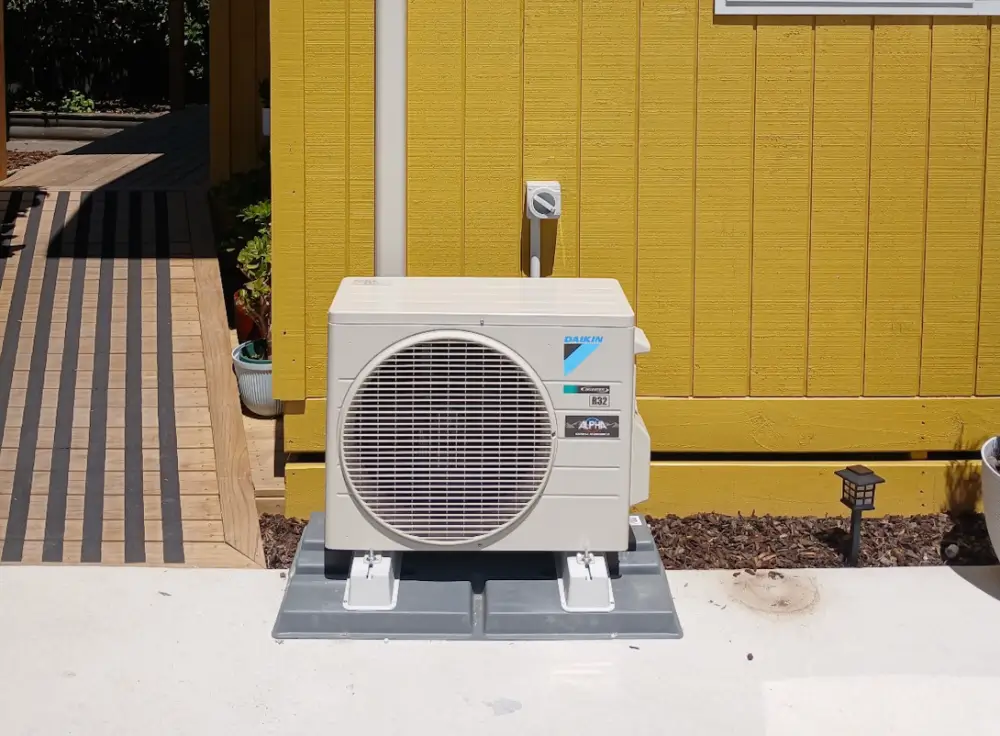
Low refrigerant is a frequent cause of warm air, and it almost always means a leak. Refrigerant is not fuel that burns off. A sealed system holds the same charge for its whole life, so if the level is low, it’s escaping somewhere. That’s why an annual top-off is a warning sign rather than a fix, because you’re paying to refill a system that keeps leaking.
Signs of low refrigerant include weak or warm airflow, a hissing or bubbling sound near the lines, rising energy bills, and that frozen coil again.
Unfortunately, if you do notice this happening, you won’t be able to fix it yourself. Recharging refrigerant and sealing a leak is not a DIY task, because federal EPA rules require certified technicians to handle refrigerant and finding the leak takes specialized tools. We can help, though, and we’re happy to. You can reach us at (305) 224-6935 to request your estimate.
Key Takeaway
Refrigerant does not get used up, so a low level means a leak. A lasting fix requires a licensed technician to find and seal it, not just add more.
When to Call a Miami AC Repair Pro
Once you have checked the thermostat, filter, breaker, and coil and the air is still warm, you are past the DIY stage. Call right away for professional AC repair if the breaker keeps tripping, you suspect low refrigerant, the coil keeps freezing, or the outdoor unit is silent, buzzing, or short cycling. Those symptoms point to failing capacitors, contactors, compressors, or refrigerant leaks, all of which need trained hands and proper tools.
If you’re looking for an affordable and reliable vendor for Miami AC repair, you’re in the right place. Trinity Air Conditioning has served South Florida since 1986, our NATE-certified technicians work on all major brands, and same-day service is available when your home is baking. A fast, accurate diagnosis keeps a small part failure from cascading into a compressor replacement. If your system is simply aging and struggling every summer, ask about routine AC maintenance, which catches most of these problems early. You can reach our team at (305) 224-6935.
Frequently Asked Questions
Why is my AC running but blowing warm air?
The most common reasons are a thermostat set to the wrong mode or fan position, a clogged air filter choking airflow, or the outdoor unit losing power at the breaker. Check those three first, then look for a frozen coil or low refrigerant.
Can a dirty air filter really make my AC blow warm air?
Yes. A clogged filter starves the coil of airflow, which weakens cooling and can freeze the coil until the system stops cooling entirely. It is one of the cheapest problems to fix and the easiest to prevent.
Is it safe to keep running my AC if it is blowing warm air?
Not always. If the coil is frozen or the breaker keeps tripping, running the system can damage the compressor or create an electrical hazard. Turn it off and address the cause before restarting.
How much does it cost to fix an AC blowing warm air in Miami?
It depends on the cause. Common repairs like a capacitor, a clogged drain, or a frozen coil run about $150 to $650 in This Old House’s 2026 AC repair cost guide, while a refrigerant leak or compressor climbs past $1,000. Florida’s heavy summer demand can push local pricing higher, so call Trinity at (305) 224-6935 for a firm quote.
How do I stop my AC from blowing warm air again?
Change the filter on schedule, keep the vents and outdoor unit clear, and book annual maintenance. Most warm-air calls trace back to airflow or a slow refrigerant leak, both of which a yearly tune-up catches early.